Introduction
As global energy costs continue to rise and environmental concerns become more urgent, homeowners are actively searching for sustainable and cost-effective alternatives to traditional electricity sources. While solar energy has long dominated the residential renewable energy conversation, home wind power is rapidly emerging as a powerful and practical solution. Residential wind turbines are no longer niche products reserved for rural farms—they are increasingly viable for suburban and semi-urban households seeking true energy independence.
This shift toward small-scale wind energy represents a broader transformation in how individuals generate, manage, and consume electricity. Home wind turbines offer consistent power generation, reduced reliance on utility grids, and a meaningful reduction in carbon emissions. In this article, we explore the rise of residential wind power, how modern home wind turbines work, and why more homeowners are choosing wind energy as a cornerstone of their renewable energy strategy.
Understanding Residential Wind Power
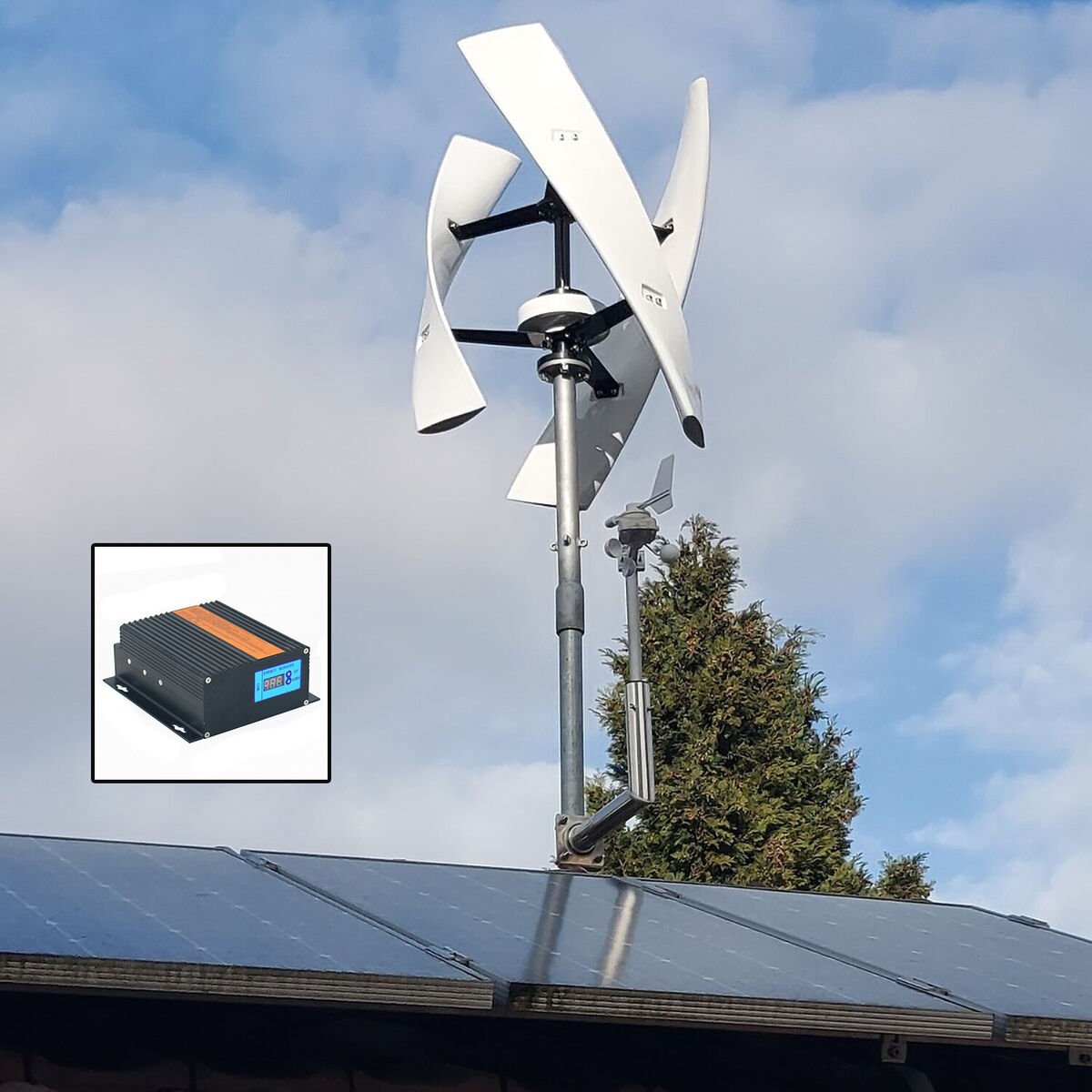
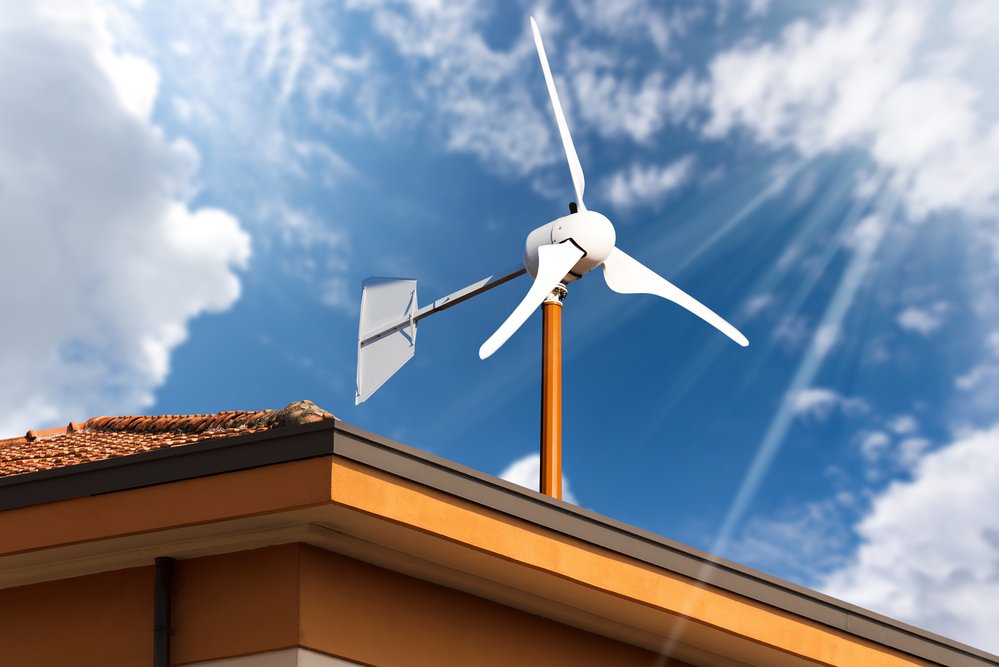
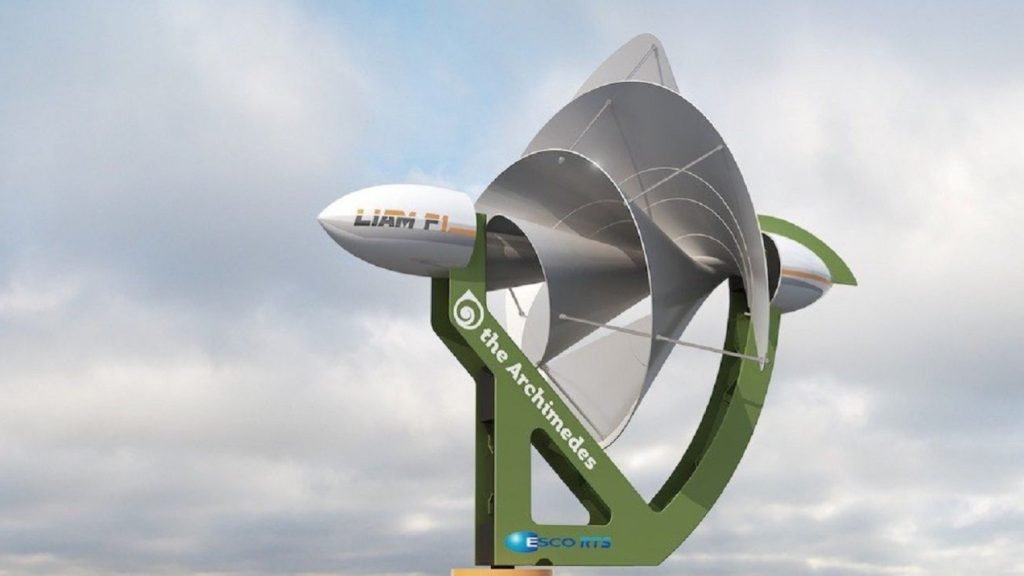
Residential wind power involves the use of small wind turbines designed specifically for home or small property use. These turbines capture kinetic energy from wind and convert it into usable electrical power through a generator. Unlike large commercial wind farms, residential systems are compact, quieter, and engineered for localized installation.
Modern home wind turbines typically range from 400 watts to 20 kilowatts in capacity, making them suitable for powering everything from essential appliances to an entire household, depending on wind conditions and system size. When installed correctly, these systems can significantly reduce or even eliminate monthly electricity bills.
Why Wind Energy Is Gaining Momentum Among Homeowners
Several key factors are driving the increased adoption of residential wind turbines:
1. Rising Electricity Costs
Utility rates have steadily increased over the past decade, putting financial pressure on households. Wind energy provides a long-term hedge against fluctuating energy prices by allowing homeowners to generate their own power.
2. Improved Technology
Advancements in turbine blade design, generator efficiency, and smart inverters have made home wind turbines more reliable, quieter, and efficient than ever before.
3. Environmental Awareness
Homeowners are increasingly motivated by sustainability goals. Wind energy produces zero emissions during operation and significantly reduces a household’s carbon footprint.
4. Energy Independence
Power outages caused by storms, grid failures, or high demand are becoming more common. Wind turbines offer a decentralized energy source, improving household resilience.
How Modern Home Wind Turbines Work
A residential wind turbine system typically consists of several core components:
- Rotor blades that capture wind energy
- Generator that converts mechanical energy into electricity
- Tower or mounting system to access higher wind speeds
- Controller and inverter to regulate and convert power
- Battery storage or grid connection for energy management
When wind turns the rotor blades, the generator produces electricity. This power can be used immediately, stored in batteries, or fed back into the electrical grid through net metering programs, depending on system configuration.
Residential Wind vs. Solar Energy
While solar panels are popular, wind energy offers distinct advantages:
- Wind turbines can generate power day and night
- Wind often complements solar production, especially in winter
- Turbines require less surface area than rooftop solar systems
- Strong performance in regions with consistent wind speeds
Many homeowners find that combining wind and solar systems creates a balanced hybrid solution that maximizes renewable energy production year-round.
Ideal Locations for Home Wind Turbines
Residential wind systems are especially effective in areas with:
- Average wind speeds of 9 mph (4 m/s) or higher
- Open land or minimal obstructions
- Coastal, rural, or elevated regions
However, modern turbine designs have expanded installation possibilities, making wind energy feasible even in moderate wind environments.
Long-Term Financial Benefits
While the initial investment in a home wind turbine may be higher than traditional energy systems, the long-term savings are substantial. Reduced utility bills, tax incentives, renewable energy credits, and increased property value all contribute to a strong return on investment.
Over time, homeowners often find that their wind turbine pays for itself while continuing to deliver free, clean energy for decades.
Conclusion
Residential wind power is no longer a futuristic concept—it is a proven, practical solution for homeowners seeking sustainability, cost savings, and energy security. As technology continues to improve and awareness grows, home wind turbines are poised to play a critical role in the transition toward decentralized, renewable energy.
Companies like MICHELLE AVERIN LLC are helping lead this transformation by making reliable home wind power systems accessible to modern households, empowering individuals to take control of their energy future.