Introduction
The global shift toward renewable energy is driven by two powerful forces: environmental responsibility and economic necessity. Residential wind power systems sit at the intersection of these priorities, offering homeowners a way to reduce emissions while gaining long-term financial benefits.
Home wind turbines represent more than a technological upgrade—they symbolize a fundamental change in how individuals interact with energy. This article explores the environmental and economic impact of residential wind power and why it plays a crucial role in a sustainable future.
Reducing Carbon Emissions at the Household Level
Traditional electricity generation relies heavily on fossil fuels, contributing to greenhouse gas emissions and climate change. Residential wind turbines produce clean electricity without combustion, emissions, or pollution.
By generating renewable power onsite, homeowners significantly reduce their carbon footprint and contribute to global climate goals.
Supporting Grid Stability and Energy Decentralization
Centralized power grids are increasingly vulnerable to extreme weather, cyber threats, and demand spikes. Distributed energy systems like home wind turbines enhance grid resilience by reducing load and providing localized generation.
This decentralization creates a more flexible, reliable energy infrastructure.
Economic Benefits for Homeowners
The financial advantages of residential wind power extend beyond reduced utility bills:
- Long-term protection against rising energy costs
- Potential income through net metering programs
- Increased property value
- Lower lifetime energy expenses
Over time, these benefits compound, making wind energy an attractive investment.
Job Creation and Local Economic Growth
The renewable energy sector drives job creation across manufacturing, installation, maintenance, and support services. Residential wind power contributes to local economies by supporting skilled labor and sustainable industries.
Energy Independence and Security
Home wind turbines reduce reliance on external energy suppliers and geopolitical energy markets. For homeowners in remote or disaster-prone areas, wind power provides reliable access to electricity when the grid fails.
Environmental Trade-Offs and Responsible Design
Modern turbine designs prioritize sustainability through recyclable materials, efficient manufacturing, and minimal land impact. Responsible siting and design ensure minimal environmental disruption while maximizing benefits.
The Role of Residential Wind in a Renewable Future
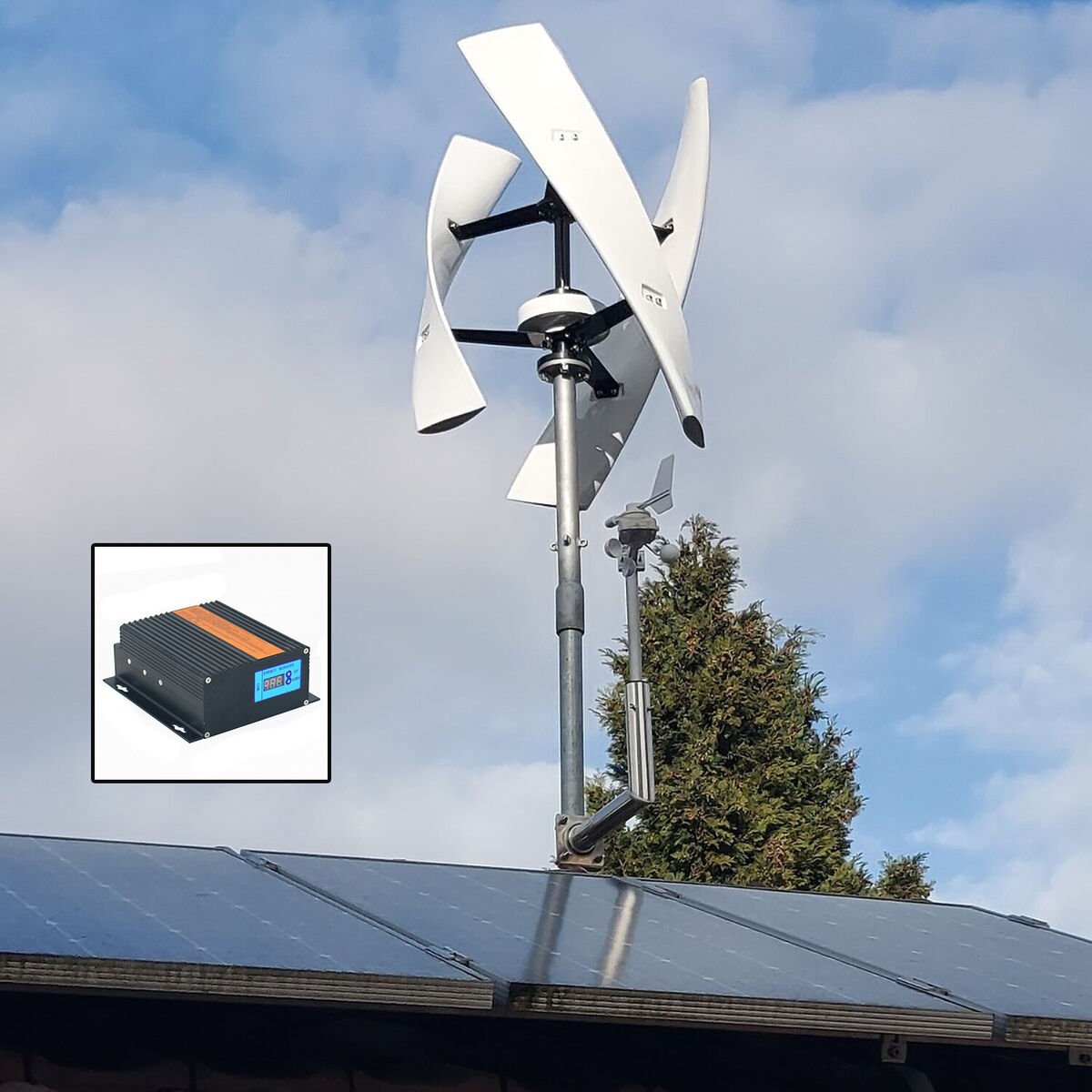
As energy systems evolve, residential wind power will play an increasingly important role alongside solar, hydro, and storage technologies. Hybrid systems that integrate wind and solar provide consistent, year-round renewable energy solutions.
Conclusion
Home wind power systems offer a compelling combination of environmental stewardship and economic resilience. By embracing wind energy, homeowners become active participants in the transition toward a cleaner, more sustainable energy future.
Through innovation, quality, and customer-focused solutions, MICHELLE AVERIN LLC is helping households unlock the full potential of residential wind power—turning clean energy into a practical reality for everyday living.