Introduction
Investing in a home wind turbine is a significant step toward sustainable living and energy independence. However, selecting the right system requires careful consideration of multiple factors, including wind conditions, energy needs, property layout, and long-term goals. With the growing number of residential wind turbine options on the market, homeowners need clear, reliable guidance to make informed decisions.
This comprehensive guide walks homeowners through the essential factors involved in choosing the right residential wind turbine, ensuring optimal performance, safety, and return on investment.
Step 1: Assess Your Energy Needs
Before selecting a wind turbine, homeowners must understand their household’s electricity consumption. Reviewing past utility bills provides insight into average monthly and annual energy usage.
Key questions to consider include:
- How much electricity does your household use annually?
- Are you aiming to supplement or fully replace grid power?
- Do you plan to add battery storage or future expansions?
Answering these questions helps determine the appropriate turbine capacity and system size.
Step 2: Evaluate Local Wind Resources
Wind availability is the most critical factor in system performance. Ideal locations typically have consistent wind speeds throughout the year.
Homeowners should consider:
- Average annual wind speed
- Seasonal wind variations
- Nearby obstacles such as trees or buildings
Professional wind assessments or historical weather data can provide accurate insights into site suitability.
Step 3: Choose the Right Turbine Type
There are two primary types of residential wind turbines:
Horizontal Axis Wind Turbines (HAWTs)
These are the most common and efficient designs, featuring blades that rotate perpendicular to the ground. They perform best in open areas with consistent wind direction.
Vertical Axis Wind Turbines (VAWTs)
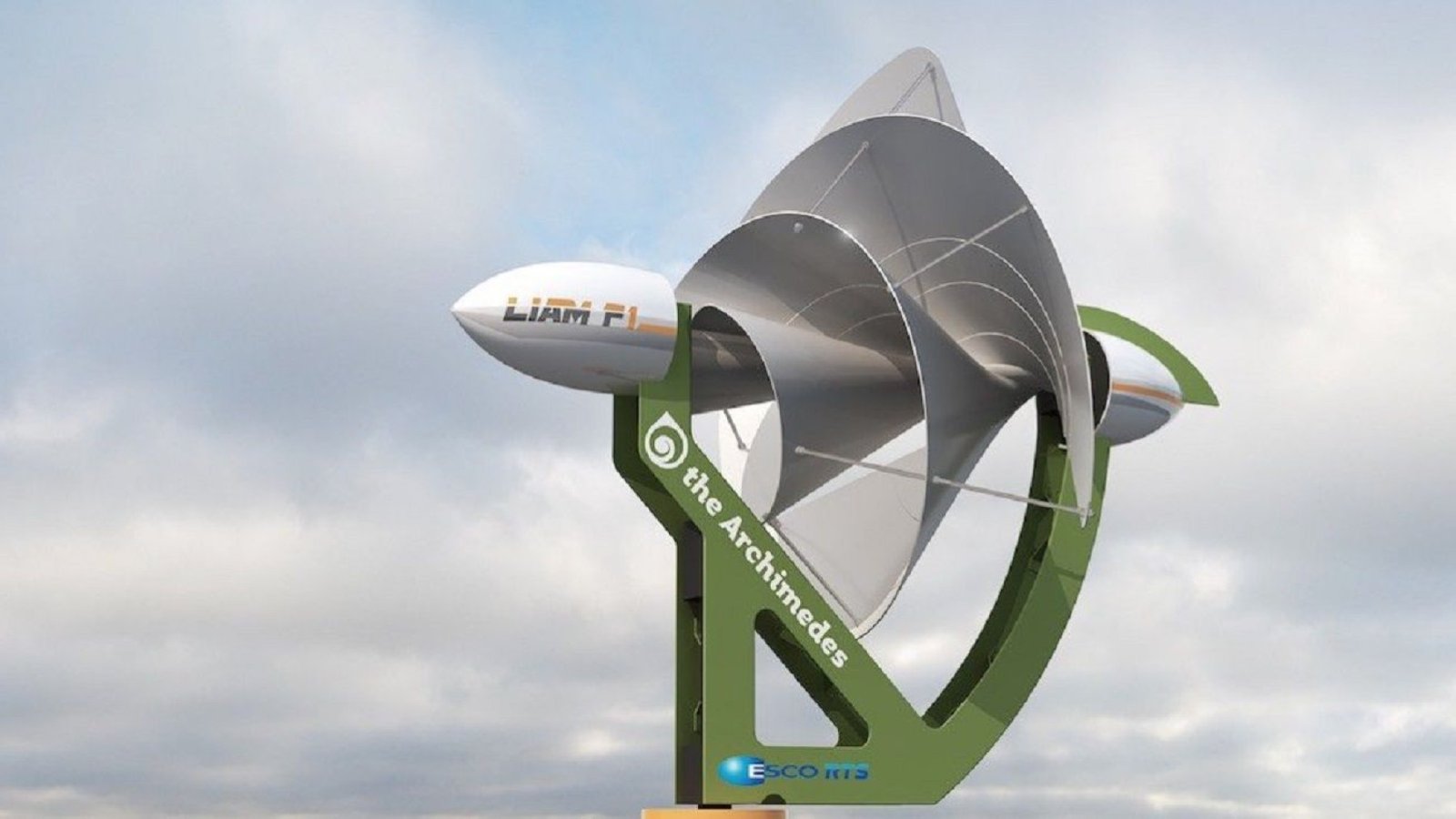
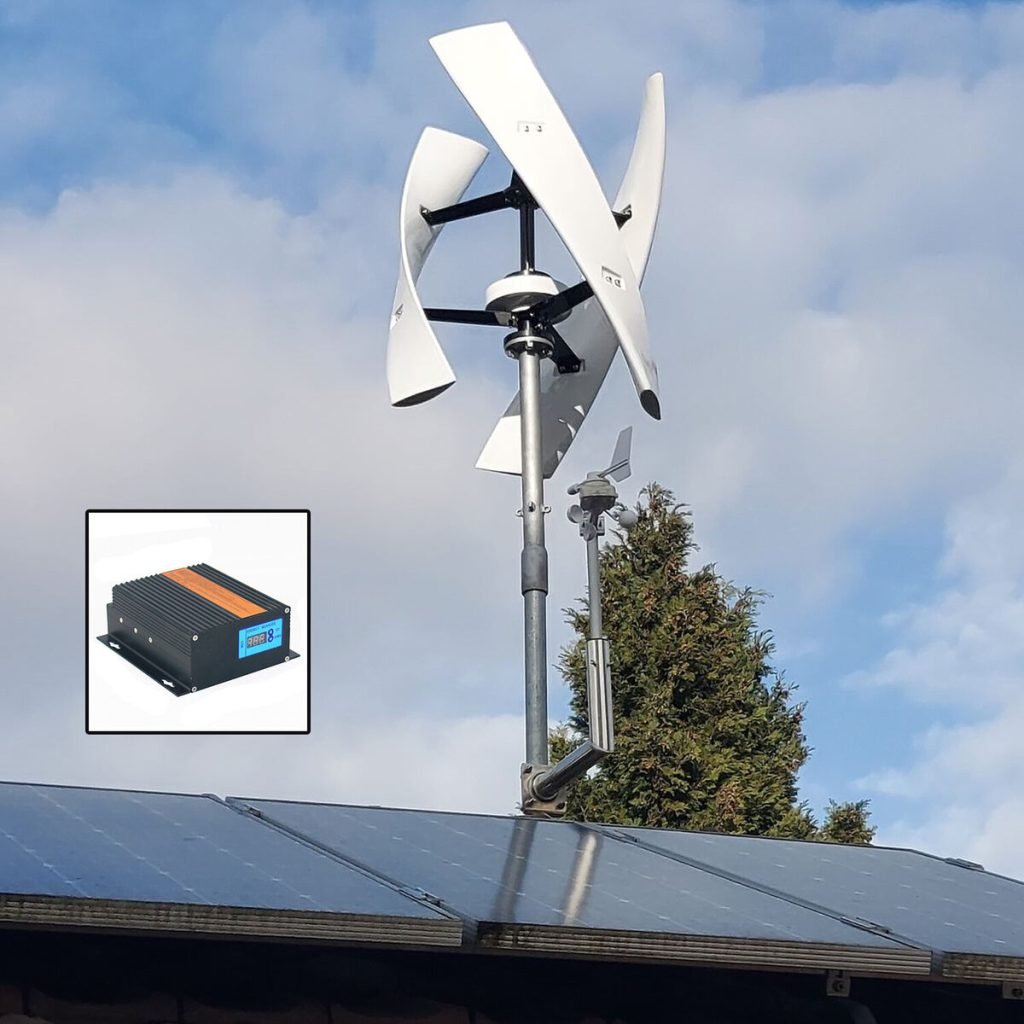
These turbines rotate vertically and can capture wind from any direction. While generally less efficient, they are compact and suitable for locations with turbulent wind conditions.
Each design has advantages depending on property layout and wind characteristics.
Step 4: Consider Tower Height and Placement
Wind speed increases with height, making tower selection critical. Taller towers generally improve energy output but require more space and structural planning.
Proper placement minimizes turbulence and maximizes exposure to clean airflow, significantly improving system efficiency.
Step 5: Understand Installation and Permitting
Residential wind turbine installations often require permits, zoning approvals, and compliance with local regulations. Noise limits, height restrictions, and setback requirements vary by location.
Working with experienced providers ensures compliance and streamlines the installation process.
Step 6: Plan for Energy Storage and Grid Connection
Homeowners can choose between:
- Grid-tied systems that feed excess power back to the utility
- Off-grid systems with battery storage
- Hybrid systems combining both
Each configuration offers unique benefits depending on energy independence goals.
Maintenance and Longevity
Modern residential wind turbines are designed for durability and low maintenance. Regular inspections, lubrication, and occasional component replacements ensure optimal performance over a lifespan that often exceeds 20 years.
Financial Considerations and Incentives
Costs vary based on system size, installation complexity, and additional components. Many regions offer tax credits, rebates, or renewable energy incentives that significantly reduce upfront expenses.
Over time, energy savings often outweigh initial costs, making wind power a sound financial investment.
Conclusion
Choosing the right residential wind turbine is a strategic decision that combines technical understanding with personal energy goals. By carefully evaluating energy needs, wind resources, turbine design, and long-term costs, homeowners can confidently invest in a system that delivers clean, reliable power for years to come.
With expert guidance and high-quality products from companies like MICHELLE AVERIN LLC, homeowners can make the transition to wind energy with confidence and clarity.